
No-Down Car Financing What It Means for Buyers
For many drivers, no-down car financing sounds like a simple way to get on the road without using savings for an upfront payment. In Canada, this usually means the lender finances the full purchase price of the vehicle, often through a dealership arrangement, a bank, a credit union, or an independent finance company. Most dealerships in Canada arrange loans through one of those lending channels rather than lending the money themselves.
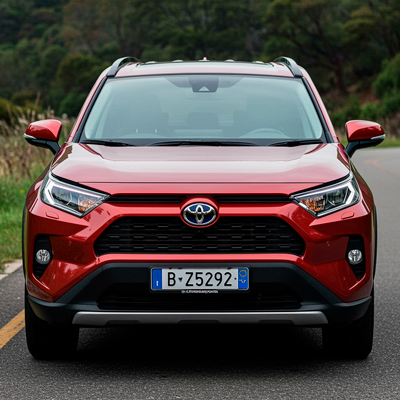
That can make this kind of financing appealing, especially for buyers who need a vehicle soon for commuting, family routines, or work. But no down payment does not mean lower cost. It usually means borrowing more from day one, which can change the size of the payment and the total amount paid over the life of the loan. FCAC advises buyers to look beyond the monthly payment and focus on the full cost over the term, including interest.

What No-Down Financing Usually Looks Like

When there is no down payment, the buyer is not putting money upfront to reduce the amount being financed. That means the loan often starts at a higher balance, because the full vehicle price is being covered by financing.
In practical terms, this can make the monthly payment higher than it would be with a down payment. It can also increase the total interest paid over time, especially if the loan term is longer. FCAC specifically warns that longer auto loans can increase financial risk for consumers in Canada.
Why Some Buyers Still Consider It
Even with those trade-offs, some people still look at no-down financing because it can solve a short-term problem. A buyer may need to replace a vehicle quickly, keep savings available for emergencies, or avoid draining cash that may be needed for insurance, repairs, or moving costs.
For that type of buyer, the attraction is flexibility at the start. Instead of waiting to save a lump sum, they can explore whether a lender will approve the full amount. That does not automatically make it the best option, but it explains why it remains attractive in many real-world situations.
How Lenders Usually Look at the Application
In Canada, lenders do not make a decision based only on one number. They typically review your credit history, income stability, existing debts, and overall ability to handle the payment. Your credit report is created using information sent by lenders to the credit bureaus, and the main credit bureaus consumers deal with in Canada are Equifax and TransUnion.
Credit scores in Canada generally range from 300 to 900, and lenders may also use their own internal formulas when assessing risk. That means two buyers with similar scores may still receive different offers depending on employment stability, debt levels, and the rest of the file.
Why Loan Length Matters So Much
A lot of buyers focus on whether the monthly payment looks manageable. That matters, but the loan term changes the real cost in a major way.
A longer term can reduce the monthly payment, but it usually increases the amount of interest paid overall. FCAC has warned that loans stretching beyond six years can create added risk, including paying down the balance more slowly and increasing the chance of negative equity, where the amount owed is higher than the vehicle’s value.
This is one of the biggest reasons no-down financing should be reviewed carefully. When the buyer starts with a full loan balance and pairs that with a long repayment period, the financial downside can become more serious.
Why Comparing Offers Can Make a Big Difference
Not every financing offer is equally strong. FCAC notes that a dealer does not have to show you the lowest available interest rate, and buyers may be able to get a better rate through another dealership or directly from a financial institution.
That is why comparison matters. Two offers can look similar on the surface but differ in interest rate, term length, and total borrowing cost. Looking at more than one option can help a buyer avoid accepting a more expensive loan simply because it was the first one presented.
What to Check Before Signing
Before signing any agreement, it is important to review the disclosure statement. In Canada, consumer protection rules require lenders or dealers to provide one before finalizing the agreement. That statement explains the total cost of borrowing and other important terms.
It also helps to review your credit report before applying. FCAC says Canadians can access their credit reports online for free through Equifax and TransUnion, and checking for mistakes can help prevent avoidable problems during the financing process.
How to Judge Whether It May Be Worth It
No-down financing may make sense for some buyers, but usually only when the payment still fits comfortably within the budget and the buyer understands the long-term cost. FCAC’s guidance is to buy a car that fits your budget, choose the shortest loan term you can reasonably afford, and put a down payment in place when possible to reduce risk.
That does not mean every buyer must avoid no-down financing. It means the smarter move is to treat it as a financial trade-off, not as free convenience.
Frequently Asked Questions
Can you get car financing in Canada with no down payment
Yes, it may be available through dealership-arranged financing, banks, credit unions, or independent finance companies, depending on the lender and the buyer’s financial profile.
Does no down payment usually make the loan more expensive
Often, yes. Financing the full amount can increase both the loan balance and the total interest paid, especially with a longer repayment term.
Do dealers have to offer the lowest interest rate
No. FCAC says a dealer does not have to show the lowest available rate, which is why comparing offers is important.
Should buyers check their credit report before applying
Yes. Canadians can access their credit reports online for free through Equifax and TransUnion, and checking for errors can help before applying.
What is one of the safest ways to reduce risk
FCAC recommends choosing a car that fits your budget, keeping the loan term as short as you can afford, and putting money down when possible.
