
Marine Biology Courses That Build Expertise in Ocean Science and Environmental Research
Discover the best marine biology courses available today and learn how to start a successful career studying ocean life.
The ocean is one of the most complex and least explored environments on Earth, making it a fascinating field of study for aspiring scientists.
Marine biology courses provide the knowledge and technical foundation needed to understand marine ecosystems, biodiversity, and the impact of human activity on aquatic environments.
Discover how investors are using artificial intelligence stock market prediction and make smarter, data-driven decisions every day.
Why Marine Biology Courses Are More Relevant Than Ever 💼
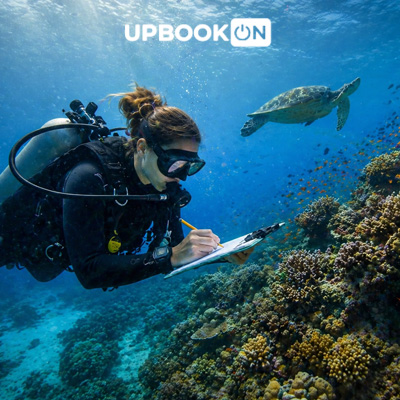
The importance of ocean science has increased significantly due to climate change, overfishing, and pollution.
These global challenges require professionals trained through courses who can analyze ecosystems and develop sustainable solutions.
In addition to environmental roles, marine biology knowledge is now applied in biotechnology, pharmaceuticals, and climate research.
This makes the field not only scientifically important but also economically valuable, opening doors to multiple career paths.

Complete Learning Path in Marine Biology Courses 📊
Beginner and Core Foundations 🔍
Beginner-level courses are designed to introduce essential concepts such as marine ecosystems, aquatic organisms, and environmental interactions.
These courses are often available online and serve as an entry point for students with no prior experience.
At this level, students learn how marine life interacts within ecosystems and how environmental factors such as temperature, salinity, and currents influence biodiversity.
The focus is on building a conceptual understanding rather than deep technical expertise.
Key learning areas include:
- Marine ecosystems and ocean zones
- Basic anatomy of marine organisms
- Food chains and ecological relationships
- Introduction to conservation and sustainability
These foundational topics are critical for progressing into more advanced courses.
Intermediate With Field and Lab Experience ⚙️
At the intermediate level, students begin to apply theoretical knowledge through practical experiences.
These marine biology courses often include laboratory work, data analysis, and field studies.
Students may participate in activities such as water sampling, species identification, and ecosystem monitoring.
This hands-on approach is essential for developing scientific skills and understanding real-world environmental challenges.
In addition, students are introduced to research methods, learning how to collect, analyze, and interpret scientific data. This prepares them for more specialized studies.
Key components include:
- Fieldwork and marine sampling techniques
- Laboratory experiments and analysis
- Data interpretation and reporting
- Introduction to oceanographic processes
Advanced Marine Biology Courses and Specialized Research Areas 📈
Advanced marine biology courses focus on specialized disciplines and prepare students for professional careers or academic research.
These programs are typically offered at universities and may include bachelor’s, master’s, or doctoral degrees.
Students engage in in-depth research projects, often working alongside experienced scientists. This stage emphasizes critical thinking, independent research, and technical expertise.
Specialization areas may include:
- Marine conservation and ecosystem management
- Coral reef and coastal ecology
- Marine microbiology and genetics
- Fisheries science and resource management
These advanced programs are essential for those aiming to work in research institutions, government agencies, or environmental organizations.
Essential Skills Developed Through Marine Biology Courses 🧠
Completing marine biology courses equips students with a diverse set of skills that are highly valued across multiple industries.
Students develop strong analytical abilities, allowing them to interpret complex environmental data and identify patterns in marine ecosystems.
Critical thinking is also emphasized, enabling individuals to solve real-world environmental problems.
Additionally, practical skills such as laboratory techniques, field research, and scientific communication are developed.
These competencies are essential for conducting research and presenting findings effectively.
Key skills include:
- Scientific analysis and research methodology
- Problem-solving and critical thinking
- Fieldwork and data collection techniques
- Technical writing and reporting
Cost Structure and Time Investment for Marine Biology Courses 📊
| Course Type | Duration | Estimated Cost |
| Online Beginner | 4–10 weeks | $0 – $300 |
| Certificate | 3–6 months | $300 – $1,500 |
| Bachelor Degree | 3–4 years | $15,000+ |
| Graduate Degree | 2–5 years | $20,000+ |
Advantages and Challenges of Marine Biology Courses ⚖️
Advantages
- Opportunity to work in unique and diverse environments
- Strong contribution to environmental protection and sustainability
- Wide range of career opportunities in science and research
- Hands-on learning experiences in real-world settings
Challenges
- Competitive job market in certain specialties
- Fieldwork can be physically demanding
- Advanced education often required for higher-level roles
Understanding these factors helps students prepare for the realities of the field.
How to Choose the Best Marine Biology Courses for Your Career Goals 🎯
Choosing the right program is essential for long-term success. Students should consider factors such as course content, accreditation, and opportunities for practical experience.
Programs that offer fieldwork, internships, and research opportunities provide significant advantages.
Additionally, selecting courses aligned with your specific interests—such as conservation or biotechnology—can help you build a more focused career path.
Discover how an ai personal assistant can transform your daily productivity and help you save hours every week with smarter automation.
Build a Future in Ocean Science With Marine Biology Courses 🚀
The ocean remains one of the most important and least understood parts of our planet.
Marine biology courses provide the tools needed to explore this environment, protect ecosystems, and contribute to scientific discovery.
As global challenges continue to evolve, the demand for skilled professionals in this field will only grow.
By investing in the right education and gaining practical experience, you can build a rewarding career that combines science, exploration, and environmental impact.
FAQ ❓
- What are marine biology courses?
- They are programs focused on studying ocean life, ecosystems, and environmental science.
- Can I study marine biology online?
- Yes, many beginner and intermediate courses are available online.
- How long does it take to become a marine biologist?
- Typically 3–4 years for a degree, with additional years for specialization.
- Are marine biology careers well paid?
- Salaries vary, but experienced professionals can earn competitive incomes.
- What skills are required for marine biology?
- Strong analytical, scientific, and research skills are essential.
