
Buy the Best Washing Machines Today and Achieve Superior Cleaning With Lower Costs
Discover how the best washing machines combine smart tech, powerful cleaning, and low energy use to transform your laundry routine.
Selecting the best washing machines in the U.S. market requires more than comparing prices.
Today’s washers integrate inverter motors, advanced drum patterns, smart dosing systems, and AI-driven cycle optimization to deliver cleaner clothes with less water and energy.
Understand cell phones Samsung specs like a pro and choose the perfect device without wasting money: learn how they really work in practice.
How the Best Washing Machines Work From Load Detection to Final Spin 🧺
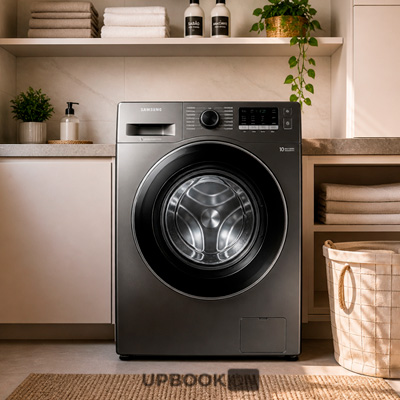
Every washing machines model follows a multi-stage process: load sensing, water intake, agitation/tumbling, rinsing, and high-speed spin extraction.
Modern systems use sensors to adjust water levels, temperature, and cycle time automatically.
This intelligent control improves cleaning while reducing waste, which is why newer models outperform older washers in both results and efficiency.
Core Technical Features That Define the Best Washing Machines 📊
Drum Design Agitation vs Impeller vs Tumble Systems 🔄
Different mechanisms affect how clothes are cleaned:
- Front-load tumble: lifts and drops clothes for gentle, effective cleaning
- Top-load agitator: strong mechanical action for heavy soil
- Top-load impeller: low-profile plate for gentler wash and higher capacity
Front-loaders typically lead among best machines for fabric care and efficiency, while agitators excel for heavily soiled loads.

Spin Speed RPM and Moisture Extraction 💨
Spin speed (RPM) determines how much water is removed before drying.
- 1,000–1,200 RPM: standard performance
- 1,300–1,600 RPM: high-efficiency extraction
- Higher RPM reduces dryer time and energy use
High RPM is a hallmark of the washing machines, especially front-load models.
Motor Technology Inverter and Direct Drive ⚙️
Motor type impacts durability, noise, and energy use.
- Inverter motors adjust speed precisely for efficiency
- Direct Drive systems reduce moving parts and vibration
- Belt-driven motors are cheaper but less durable
Premium machines use inverter or direct drive motors for longevity and quiet operation.
Water and Energy Efficiency Ratings 💧
Efficiency is measured by ENERGY STAR certification and annual consumption metrics.
- Lower gallons per cycle (GPC) reduce water usage
- Lower kWh/year reduces electricity bills
- High-efficiency detergents improve results with less water
Efficiency is critical when choosing the best machines for long-term savings.
Top 4 Best Washing Machines With Technical Breakdown 🏠
Below are four standout models in the washing machines category, each excelling in different areas.
LG WM4000HWA Front Load Inverter Washer 🧺
- 4.5 cu. ft. capacity
- 1,300 RPM spin speed
- Direct Drive motor
- TurboWash 360 multi-jet system
Strength: balanced performance, low noise, and excellent efficiency.
Samsung WF45B6300AW Smart AI Washer 🧺
- 4.5 cu. ft. capacity
- AI-powered cycle recommendations
- Vibration Reduction Technology+
- Steam cleaning system
Strength: smart features and adaptive washing performance.
Whirlpool WTW8127LC Top Load High Capacity 🧺
- 5.3 cu. ft. capacity
- Removable agitator
- Load & Go detergent system
- Moderate spin speed (~850–900 RPM)
Strength: flexibility between agitator and impeller modes for varied loads.
GE Profile PTW900BPTRS Smart Top Load 🧺
- 5.0 cu. ft. capacity
- Smart Wash sensors
- Built-in Wi-Fi connectivity
- Advanced stain removal presets
Strength: strong stain handling with automated optimization.
Technical Comparison Table for Best Washing Machines 📋
| Model | Capacity | Spin Speed | Motor Type |
| LG WM4000HWA | 4.5 cu.ft | 1300 RPM | Direct Drive |
| Samsung WF45B6300AW | 4.5 cu.ft | 1200 RPM | Inverter |
| Whirlpool WTW8127LC | 5.3 cu.ft | 900 RPM | Belt/Hybrid |
| GE PTW900BPTRS | 5.0 cu.ft | 1000 RPM | Inverter |
Front Load vs Top Load Which Best Washing Machines Type to Choose 🧠
Choosing between types is one of the biggest decisions.
Front Load Advantages 📉
- Better energy and water efficiency
- Higher spin speeds
- Superior fabric care
Top Load Advantages 📈
- Faster cycles
- Easier loading/unloading
- Lower upfront cost
Front-loaders dominate the best washing machines category for efficiency, while top-loaders offer convenience and capacity.
Common Mistakes When Buying the Best Washing Machines ⚠️
Avoid these frequent errors:
- Ignoring spin speed (leads to higher drying costs)
- Choosing oversized machines without need
- Skipping warranty and service considerations
- Overlooking noise levels for apartments
Avoiding these issues ensures your washing machines choice delivers long-term value.
Future Trends in Best Washing Machines Technology 🚀
The best machines are evolving rapidly with new innovations.
- AI-based load detection and cycle optimization
- Auto-dosing detergent systems
- Ultra-low water consumption designs
- Integration with smart home ecosystems
These trends continue to improve performance and efficiency across all price ranges.
If you want to start a career the fastest-growing sectors, enroll in an artificial intelligence course online to understand machine learning.
Upgrade Your Home With the Best Washing Machines and Optimize Your Daily Routine 🌟
Choosing the best washing machines is a long-term investment that affects your daily life, utility costs, and appliance reliability.
By focusing on technical specifications such as motor type, spin speed, efficiency ratings, and smart features, you can select a washer that delivers superior cleaning.
The right model will not only simplify your routine but also provide consistent performance for years, making it a smart and practical upgrade for any modern home.
FAQ ❓
- Which type is better front load or top load?
- Front-load washers are more efficient and offer better cleaning performance.
- What RPM is best for washing machines?
- 1200–1400 RPM is ideal for efficient water extraction.
- Do smart washers save money?
- Yes, they optimize cycles and reduce water and energy usage.
- How much capacity do I need?
- 4.5–5.5 cu. ft. is suitable for most households.
- Are high-efficiency washers worth it?
- Yes, they reduce utility costs and improve cleaning results.
