
Auto Loan With $0 Down: How It Works and When It’s Actually Worth It
Getting a car without paying upfront sounds perfect, especially if you want to keep cash available or move fast on a deal.
But a $0-down setup changes the math of ownership. You’re starting with more financed balance, which can affect interest cost, how quickly you gain equity, and what happens if you sell early.
Below is a clear breakdown of how lenders treat this type of financing, what it usually costs, and when it can make sense.
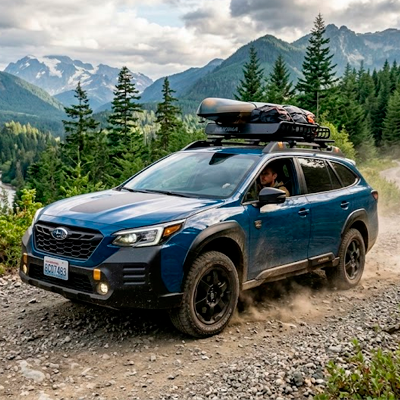
What a $0 Down Auto Loan Really Represents 🇺🇸
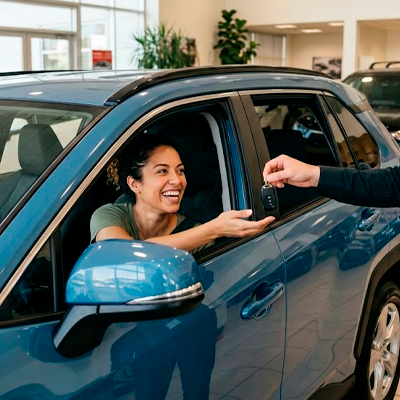
A $0-down auto loan usually means you finance the full purchase amount at signing—sometimes including taxes, registration, and dealership fees—instead of putting money down on day one.
That can help with immediate affordability, but it also means:
- You begin with less ownership cushion
- Your balance stays higher at the start
- The chance of being upside down early can increase
How Lenders Judge $0 Down Applications 🔎
When there’s no upfront payment, lenders look harder at whether the deal is stable without that “buffer.”
Common evaluation points:
- Credit patterns (not just one score)
- Income consistency
- Debt-to-income balance
- Employment history
- Vehicle details like mileage, price, and resale strength
Outside factors matter too. In some periods, approvals loosen due to competition and incentives. In others, rules tighten and $0-down becomes harder to obtain.
Common Ways People End Up With a No-Down Loan 🧭
There are a few typical routes that lead to “no money down”:
- Manufacturer programs that use incentives to support the structure
- Banks/credit unions approving well-qualified profiles
- Online lenders with faster screening and flexible packaging
Each path can come with different trade-offs: rate, term length, restrictions on vehicle type, or added fees.
$0 Down vs. Small Down: What Changes in Practice ⚖️
This choice is less about “good vs bad” and more about your timeline and your cash plan.
A small down payment often helps by:
- Lowering the financed amount immediately
- Reducing long-term interest cost
- Cutting early negative equity exposure
$0 down can help when:
- You need to keep cash liquid
- You’re prioritizing speed or short-term flexibility
- The rate remains competitive despite no upfront amount
Rates, Terms, and the Real Price of Convenience 📈
Many $0-down deals come with slightly higher pricing because the lender is taking on more early risk.
Loan length matters a lot here:
- Longer terms can reduce payments
- But they usually increase total interest and slow equity buildup
That’s why comparing offers by total repayment, not only monthly payment, is the safer way to judge true affordability.
Comparing Different $0 Down Setups (Example) 📊
| Scenario | Cash at Signing | Monthly Payment | Total Interest | Equity Risk Early |
|---|---|---|---|---|
| $0 down, regular rate | $0 | Higher | Highest | High |
| Small down, regular rate | Low | Medium | Medium | Medium |
| $0 down, promo rate | $0 | Medium | Lower | Medium |
| Larger down, short term | Higher | Higher | Lowest | Low |
This is why “no down” should be evaluated as a structure, not a slogan.
When $0 Down Can Be a Smart Move 💡
This approach can be reasonable if:
- You qualify for a strong rate (especially promotional offers)
- Your income is stable and you plan to keep the car longer
- Keeping cash available is a strategic priority
It becomes riskier when you expect to sell early, trade in quickly, or when income is unpredictable—because early negative equity can trap your options.
Practical Ways to Boost Approval Chances 🛠️
What helps most:
- Lowering credit card utilization before applying
- Fixing errors on credit reports
- Getting pre-approval so you control the negotiation
- Choosing vehicles with strong resale demand
Also: timing can matter. Incentive cycles and dealer inventory pressure sometimes make approval easier.
Longer-Term Impact on Your Financial Picture 🔍
A $0-down deal can affect more than the car:
- Payments can strengthen your credit profile if consistently on time
- But staying upside down too long can limit refinancing or trade-in options
The safest approach is treating $0 down as part of a broader plan, not just “easier to start.”
Frequently Asked Questions ❓
1. Is $0 down available for everyone?
Not always. Approval depends on profile strength, income, and vehicle/lender rules.
2. Does no-down always mean higher cost?
Often it increases total cost, unless the rate and fees stay favorable.
3. Can $0 down make you upside down faster?
Yes—because depreciation starts immediately while equity builds slowly.
4. Is a small down payment usually better?
Many times, yes. Even a modest amount can reduce interest and risk.
5. Can this help rebuild credit?
It can, if the payment history stays consistent and on time.
