
Start Investing With Confidence – Learn the Real Minimum Investment in ETF and Grow Your Portfolio
Before opening an investment account, learn exactly how the minimum investment in etf works in the United States and how modern brokerage platforms allow beginners to invest.
The concept of minimum investment has transformed how millions of people begin investing in the United States.
In the past, many investment funds required thousands of dollars to open an account.
Today, exchange-traded funds allow individuals to start investing with much smaller amounts while still gaining exposure to diversified financial markets.
Learn how to invest for better with disciplined allocation, smart diversification, and long-term compounding strategies.
Why the Minimum Investment in ETF Is Lower Than Traditional Funds 💰
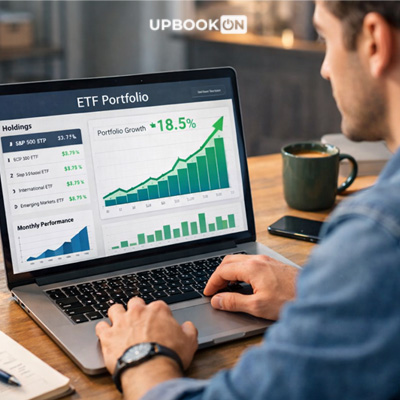
Unlike mutual funds that often impose a fixed minimum deposit, ETFs simply require investors to purchase shares through a brokerage account.
The minimum investment is therefore determined by the market price of a single share.
This approach allows investors to participate in large financial markets without needing substantial capital.
Someone interested in the S&P 500, for example, can purchase a single share of an ETF that tracks the index rather than buying individual shares of hundreds of companies.
Realistic Share Prices That Define the Minimum Investment in ETF 📊
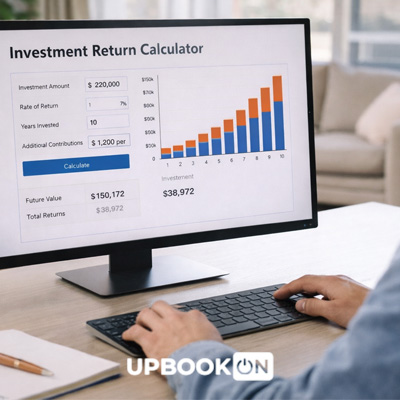
Because ETFs track different markets and strategies, their share prices vary widely. These share prices effectively determine the minimum investment in etf required for a new investor.
| ETF Category | Typical Share Price | Market Exposure |
| S&P 500 ETFs | $400 – $520 | Large U.S. corporations |
| Total Market ETFs | $200 – $300 | Entire U.S. stock market |
| Dividend ETFs | $50 – $150 | Income-producing companies |
| Bond ETFs | $70 – $120 | Government and corporate bonds |
ETFs That Many Investors Use When Starting Small 📈
When exploring the minimum investment in etf, beginners often choose ETFs that track major market indexes.
These funds offer diversification and long-term growth potential because they represent a broad range of companies.
Purchasing a single ETF share can provide exposure to hundreds of businesses across multiple sectors, which reduces the risk associated with investing in a single company.
Several ETFs are frequently recommended for investors building their first diversified portfolios.
- SPDR S&P 500 ETF (SPY) – tracks the 500 largest companies in the United States.
- Vanguard Total Stock Market ETF (VTI) – covers nearly the entire U.S. equity market.
- Invesco QQQ ETF – focuses on major technology and growth companies.
- Vanguard FTSE All-World ETF (VT) – provides global market exposure across multiple countries.
Each of these funds illustrates how the minimum investment in etf can give investors access to massive portions of the global financial market with a single purchase.
Brokerage Platforms That Reduce the Minimum Investment in ETF 🏦
Technology has made investing more accessible than ever. Modern brokerage platforms allow investors to open accounts online and begin purchasing ETFs within minutes.
Many platforms also support fractional share investing, which can reduce the effective minimum investment in etf dramatically.
With fractional shares, investors can buy portions of an ETF share instead of the entire share price.
Major U.S. Brokerages Supporting Fractional ETF Investing 📱
Several brokerage platforms make it easy to start with the minimum investment in etf while offering strong research tools and portfolio management features.
- Fidelity Investments – commission-free ETF trading and extensive research tools.
- Charles Schwab – fractional investing and strong ETF selection.
- Vanguard Brokerage – well known for low-cost index ETFs.
- Robinhood – simplified mobile platform designed for beginner investors.
These platforms have significantly lowered barriers for investors who want to begin building portfolios with limited starting capital.
Example Portfolio Strategy Using the Minimum Investment in ETF 📊
Many investors who begin with the minimum investment in etf gradually construct diversified portfolios by purchasing multiple ETFs that track different asset classes.
Diversification helps reduce overall portfolio risk while maintaining exposure to long-term market growth.
| Asset Class | ETF Type | Suggested Allocation |
| U.S. Equities | S&P 500 ETF | 40% |
| International Stocks | Global ETF | 25% |
| Dividend Stocks | Dividend ETF | 20% |
| Fixed Income | Bond ETF | 15% |
Advantages of Starting With the Minimum Investment in ETF 🚀
One of the most important benefits of understanding the minimum investment in etf is realizing that wealth building does not require a large initial deposit.
Instead, consistent investing habits often have a greater long-term impact than the size of the first investment.
Many successful investors focus on regular contributions rather than attempting to time the market.
By investing small amounts regularly, individuals benefit from dollar-cost averaging, which spreads purchases across different market conditions.
Key Benefits of ETF Investing for Long-Term Wealth 📉
Several characteristics make ETFs particularly attractive for new investors.
- Low cost structure compared with actively managed funds
- Immediate diversification across many companies
- Flexibility to trade during market hours
- Wide selection of sector, index, and global ETFs
- Ability to scale investment gradually over time
Because of these advantages, the minimum investment in etf has become a major entry point for individuals beginning their financial journey.
Discover how to secure personal loan interest rates lowest offers and position yourself for reduced APR and long-term savings.
Building Financial Growth With Consistent ETF Investments 🌱
The most important lesson investors learn after understanding the minimum investment in etf is that long-term consistency matters more than large initial deposits.
Investing small amounts regularly can produce powerful compounding effects over decades.
As dividends are reinvested and additional shares are purchased over time, a portfolio gradually expands.
This disciplined approach allows investors to benefit from long-term market growth while managing risk through diversification.
For many people entering the financial markets for the first time, ETFs provide one of the most efficient tools for building sustainable financial progress and developing a portfolio capable of supporting long-term wealth creation.
FAQ ❓
- What is the minimum amount needed to invest in an ETF?
- The minimum investment is usually the price of one ETF share, although some platforms allow smaller fractional investments.
- Can beginners start ETF investing with very little money?
- Yes. Fractional share investing allows people to begin with small amounts such as $10 or $20 depending on the brokerage platform.
- Why are ETFs considered beginner-friendly investments?
- ETFs provide diversification, lower fees, and access to entire markets through a single investment.
- Are ETFs better than individual stocks for new investors?
- Many beginners prefer ETFs because they reduce risk through diversification across many companies.
- How often should someone invest in ETFs?
- Many investors follow a monthly investment strategy to gradually grow their portfolios over time.
