
Analyze Indian Scout Bobber Specs in Depth and Choose the Midweight Cruiser Built for Performance
Before choosing, compare the full indian scout bobber specs including power-to-weight ratio and ownership value to make a confident investment decision.
When riders research indian scout bobber specs, they are looking for more than aesthetic appeal.
They want measurable data: horsepower figures, torque curves, braking strength, weight distribution, acceleration capability, and long-term ownership expectations.
The Scout Bobber positions itself as a muscular yet manageable American cruiser, blending minimalist design with modern engineering precision.
Discover how Yamaha R3 lightweight engineering can accelerate your skill progression on both street and circuit.
Indian Scout Bobber Specs Engine Architecture and Real-World Output 🔥
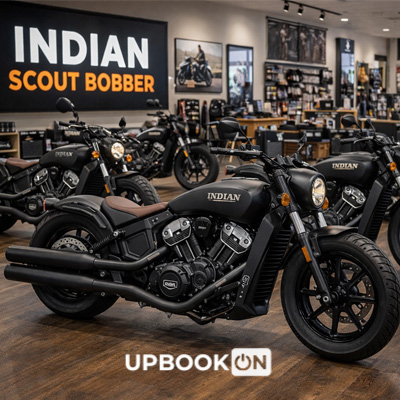
At the heart of indian scout bobber specs lies the 1,133cc liquid-cooled V-twin engine.
This dual overhead cam design allows higher rev capability compared to traditional pushrod cruiser engines.
Output reaches approximately 100 horsepower at 8,100 rpm and around 72 lb-ft of torque at 5,900 rpm, delivering aggressive mid-range acceleration ideal for city launches.
Unlike many air-cooled cruisers in the segment, the liquid-cooling system enhances thermal control during stop-and-go traffic.
The 6-speed transmission allows relaxed cruising at interstate speeds, keeping engine vibrations controlled and fuel efficiency optimized.
Detailed Powertrain Metrics Within Indian Scout Bobber Specs ⚙️
The engineering behind scout bobber specs reflects performance intent without sacrificing reliability.
The 99 mm bore and 73.6 mm stroke create a balance between torque delivery and rev potential.
A compression ratio of 10.7:1 supports efficient combustion and consistent output under daily riding conditions.
Acceleration from 0–60 mph averages close to 4.0 seconds, placing the Scout Bobber among the quickest midweight cruisers in the American market.
Roll-on acceleration between 40–70 mph remains strong, particularly useful for highway merging scenarios.
These data-driven elements elevate the model beyond entry-level cruiser expectations.
| Engine Component | Specification |
| Engine Type | Liquid-cooled V-twin |
| Displacement | 1,133 cc |
| Bore x Stroke | 99 mm x 73.6 mm |
| Compression Ratio | 10.7:1 |
| Horsepower | ~100 hp |
| Torque | ~72 lb-ft |
| Transmission | 6-speed |
| Final Drive | Belt |
Indian Scout Bobber Specs Chassis Geometry Stability and Handling 🏍️
A defining strength within indian scout bobber specs is the cast aluminum frame.
This structure reduces weight while increasing rigidity compared to traditional steel cruiser frames. Wet weight stands at approximately 554 lbs.
The wheelbase measures 61.5 inches, supporting highway stability.
A rake angle of 29 degrees combined with approximately 120 mm of trail provides predictable steering feedback and composure at higher speeds.
The low 25.6-inch seat height lowers the center of gravity, improving confidence during slow maneuvers.
Handling Confidence and Weight Distribution Explained 📐
The forward-mounted foot controls and drag-style handlebars create a slightly aggressive riding posture while maintaining manageable ergonomics.
Weight distribution feels balanced during braking and corner entry, preventing excessive front dive or rear instability.
In urban traffic conditions, the manageable wet weight and balanced geometry make tight turns less demanding than heavier touring cruisers.
These geometry-focused indian scout bobber specs show careful engineering for both city and highway environments.
| Dimension | Measurement |
| Seat Height | 25.6 inches |
| Wheelbase | 61.5 inches |
| Rake | 29° |
| Trail | ~120 mm |
| Wet Weight | ~554 lbs |
Suspension Braking and Control Systems in Indian Scout Bobber Specs 🛞
Suspension travel aligns with the bobber design philosophy. The front telescopic fork provides approximately 4.7 inches of travel, while dual rear shocks offer around 2 inches.
Although rear travel is shorter than sport-touring models, it maintains stability during standard road conditions.
Braking components include a single 298 mm front disc paired with a 2-piston caliper, supported by a 298 mm rear disc.
ABS comes standard in U.S. versions, ensuring controlled stopping power during emergency braking situations.
Real-World Braking Performance and Ride Feedback 🔧
In practical testing, braking feel remains progressive and controlled. Front brake engagement offers sufficient bite for aggressive urban riding without feeling abrupt.
ABS activation remains smooth and predictable.
While rear suspension travel limits extreme comfort on rough surfaces, aftermarket upgrade options are widely available.
Overall, these control-focused indian scout bobber specs balance aesthetic minimalism with reliable stopping power.
Indian Scout Bobber Specs Compared to Harley Iron 883 Yamaha Bolt and Kawasaki Vulcan S 📊
To properly evaluate indian scout bobber specs, direct competitor comparison is essential.
The Scout Bobber competes against the Harley-Davidson Iron 883, Yamaha Bolt, and Kawasaki Vulcan S within the American cruiser segment.
Performance Comparison Table Among Midweight Cruisers 🚀
| Model | Displacement | Horsepower | Wet Weight |
| Indian Scout Bobber | 1,133 cc | ~100 hp | ~554 lbs |
| Harley Iron 883 | 883 cc | ~49 hp | ~564 lbs |
| Yamaha Bolt | 942 cc | ~65 hp | ~540 lbs |
| Kawasaki Vulcan S | 649 cc | ~61 hp | ~498 lbs |
Compare Kawasaki Ninja 500 performance specs, ownership costs, and real-world riding comfort before making your decision.
Market Positioning and Buyer Profile Analysis 💼
Riders who prioritize torque-rich acceleration and aggressive styling gravitate toward the Scout Bobber.
The Harley Iron 883 appeals more to heritage-focused buyers, while the Vulcan S emphasizes beginner-friendly ergonomics.
Yamaha Bolt sits between traditional and performance cruiser categories.
The Scout Bobber delivers the strongest performance credentials in this comparison while maintaining manageable weight and modern engineering features.
These competitive insights reinforce the strength of indian scout bobber specs within the American market.
Long-Term Ownership Value and Practical Considerations 💰
Oil change intervals typically occur around every 5,000 miles. The liquid-cooled engine manages heat effectively in congested traffic.
Belt drive reduces maintenance compared to chain systems. Fuel capacity of 3.3 gallons combined with 40–45 mpg efficiency yields approximately 130–150 miles per tank.
Insurance rates generally fall into moderate cruiser brackets across the United States. Strong brand recognition supports resale value retention.
For riders evaluating bobber specs, these long-term considerations matter just as much as horsepower figures.
The full breakdown of bobber specs demonstrates a motorcycle engineered for riders who demand modern cooling efficiency within a minimalist cruiser design.
Its 100-horsepower V-twin, aluminum frame construction, balanced weight distribution, and competitive edge over segment rivals make it a compelling midweight cruiser choice.
FAQ ❓
- How much horsepower does the Indian Scout Bobber produce?
- The 1,133cc Scout Bobber produces approximately 100 horsepower, making it one of the most powerful midweight cruisers in its segment.
- What is the wet weight of the Scout Bobber?
- The wet weight is approximately 554 pounds, offering a balanced combination of stability and maneuverability.
- How fast can the Scout Bobber accelerate from 0 to 60 mph?
- Acceleration from 0–60 mph averages around 4 seconds under standard test conditions.
- Does the Scout Bobber include ABS braking?
- Yes, ABS is standard on U.S. models, enhancing safety and braking control.
- How does it compare to the Harley Iron 883?
- The Scout Bobber delivers significantly more horsepower and faster acceleration while maintaining similar overall weight.
