
Kawasaki Ninja 500 Complete Performance Breakdown and Buying Information for 2025 Riders
Explore full specifications, pricing, performance data, and financing insights for the Kawasaki Ninja 500 before visiting a dealership.
Positioned between beginner-friendly models and more aggressive supersport machines, this motorcycle delivers a balanced combination of performance and everyday practicality.
For riders seeking an approachable yet thrilling sportbike in 2025, the Ninja 500 offers modern engineering without overwhelming complexity.
Explore realistic auto loan 560 credit score options in the U.S., expected rates, lender types, and smart steps to improve approval.
Engine Specifications and Performance Output of the Kawasaki Ninja 500 🏍️
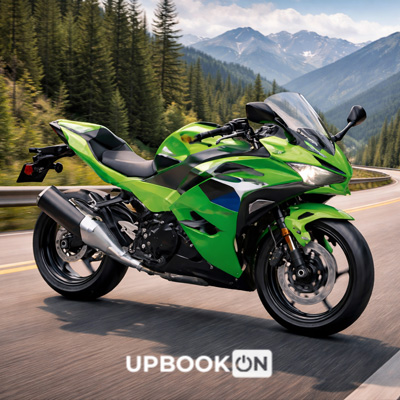
At the heart of the Kawasaki Ninja 500 is a 451cc parallel-twin engine designed to deliver smooth yet energetic acceleration.
This liquid-cooled DOHC engine emphasizes mid-range torque, making it ideal for both city commuting and spirited weekend rides.
Key performance specifications include:
- Engine: 451cc liquid-cooled parallel twin
- Bore x Stroke: 70.0 mm x 58.6 mm
- Horsepower: Approximately 51 hp
- Torque: Around 31.7 lb-ft
- Transmission: 6-speed manual
- Fuel System: Electronic fuel injection

Acceleration and Real-World Riding Dynamics ⚡
Weighing approximately 375–380 lbs (curb weight), the Kawasaki Ninja 500 maintains an impressive power-to-weight ratio within its class.
| Performance Metric | Estimated Figure |
| 0–60 mph | ~4.5–4.8 sec |
| Top Speed | ~115–120 mph |
| Curb Weight | ~377 lbs |
| Fuel Capacity | 3.7 gallons |
Chassis, Suspension, and Braking System of the Kawasaki Ninja 500 🛠️
The Kawasaki Ninja 500 uses a lightweight trellis frame engineered for rigidity and agility. This structural design improves handling precision while keeping overall weight manageable.
Suspension setup includes:
- Front: Telescopic fork (non-adjustable)
- Rear: Uni-Trak monoshock with preload adjustability
Braking components consist of:
- Front: 310 mm petal-style disc with dual-piston caliper
- Rear: 220 mm disc brake
- ABS: Standard dual-channel ABS
The braking performance of the Kawasaki Ninja 500 provides predictable stopping power suitable for both urban and highway environments.
ABS enhances safety during emergency braking situations, especially for less experienced riders.
Ergonomics and Riding Position 🧍♂️
The riding posture of the Kawasaki Ninja 500 strikes a balance between sport aggression and comfort.
Unlike supersport models with extreme forward lean, this motorcycle offers a slightly upright position.
- Seat Height: Approximately 30.9 inches
- Handlebar Position: Moderately low clip-ons
- Footpeg Placement: Slightly rear-set
This configuration makes the Ninja 500 suitable for daily commuting without excessive wrist or back strain.
Technology and Digital Features in the Kawasaki Ninja 500 📱
Modern sportbike buyers expect digital integration, and the Kawasaki Ninja 500 delivers updated technology features for 2025.
Standard and available features include:
- Full LCD or TFT digital display (depending on trim)
- Smartphone connectivity via Bluetooth
- Gear position indicator
- Fuel consumption tracking
- LED lighting system
The digital instrumentation provides clear visibility in various lighting conditions. Smartphone connectivity allows riders to monitor ride statistics and maintenance reminders.
Fuel Economy and Ownership Efficiency ⛽
Fuel efficiency is one of the strongest selling points of the Ninja 500.
| Riding Condition | Estimated MPG |
| City Riding | ~52 MPG |
| Highway Riding | ~58 MPG |
| Combined Avg | ~55 MPG |
With a 3.7-gallon tank and approximately 55 MPG combined, riders can expect a range exceeding 200 miles per tank.
This efficiency makes the Ninja 500 attractive for commuters seeking performance without excessive fuel costs.
Pricing, Insurance, and Financing Options for the Kawasaki Ninja 500 💲
The Ninja 500 is positioned competitively in the entry-level sportbike category.
| Model Variant | Estimated MSRP (USD) |
| Standard | ~$5,999 |
| SE Version | ~$6,399 |
- Excellent credit (750+): 4.5%–6.0% APR
- Good credit (700–749): 6.0%–8.0% APR
- Fair credit (650–699): 8.5%–11.0% APR
On a $6,500 financed balance at 6% APR over 60 months, estimated monthly payments would be approximately $125.
The Kawasaki Ninja 500 remains one of the most accessible sportbikes for riders entering the performance category.
Auto financing with no money down in the US: learn the pros, cons, risks, and smart tips to qualify for zero-down car loans in 2025–2026.
Kawasaki Ninja 500 vs Competitors in the Lightweight Sport Segment 📊
The Kawasaki Ninja 500 competes with models like the Yamaha R3 and Honda CBR500R.
| Model | Displacement | Horsepower | Starting MSRP |
| Kawasaki Ninja 500 | 451cc | ~51 hp | ~$5,999 |
| Yamaha R3 | 321cc | ~42 hp | ~$5,499 |
| Honda CBR500R | 471cc | ~47 hp | ~$7,299 |
Long-Term Reliability and Maintenance 📈
Kawasaki motorcycles are known for durability and manageable maintenance costs.
The Ninja 500 benefits from straightforward twin-cylinder design and widely available parts.
Typical maintenance intervals include:
- Oil changes every 4,000–6,000 miles
- Chain maintenance every 500–700 miles
- Valve inspection around 15,000 miles
Annual maintenance costs typically range between $400 and $700 depending on mileage and riding habits.
The Ninja 500 succeeds by offering accessible performance, lightweight agility, and strong efficiency in a visually aggressive package.
It bridges the gap between beginner motorcycles and more advanced supersport machines without overwhelming new riders.
For commuting, weekend canyon rides, and first-time sportbike ownership, this model delivers excitement balanced with practicality.
With competitive pricing, impressive fuel economy, and approachable power delivery, the Ninja 500 stands as a compelling option in 2025.
Riders seeking reliability, manageable insurance costs, and modern styling will find that the Kawasaki Ninja 500 offers one of the most balanced experiences in the lightweight segment.
FAQ 📌
- Is this motorcycle suitable for beginners?
- Yes, its predictable power delivery and manageable weight make it accessible for new riders.
- What is the estimated top speed?
- The motorcycle reaches approximately 115–120 mph under ideal conditions.
- Does it come with ABS?
- Yes, dual-channel ABS is standard for improved braking safety.
- How fuel-efficient is it?
- Riders can expect around 55 MPG combined in typical conditions.
- What is the starting price in the U.S.?
- The base model starts at approximately $5,999 before destination fees.
